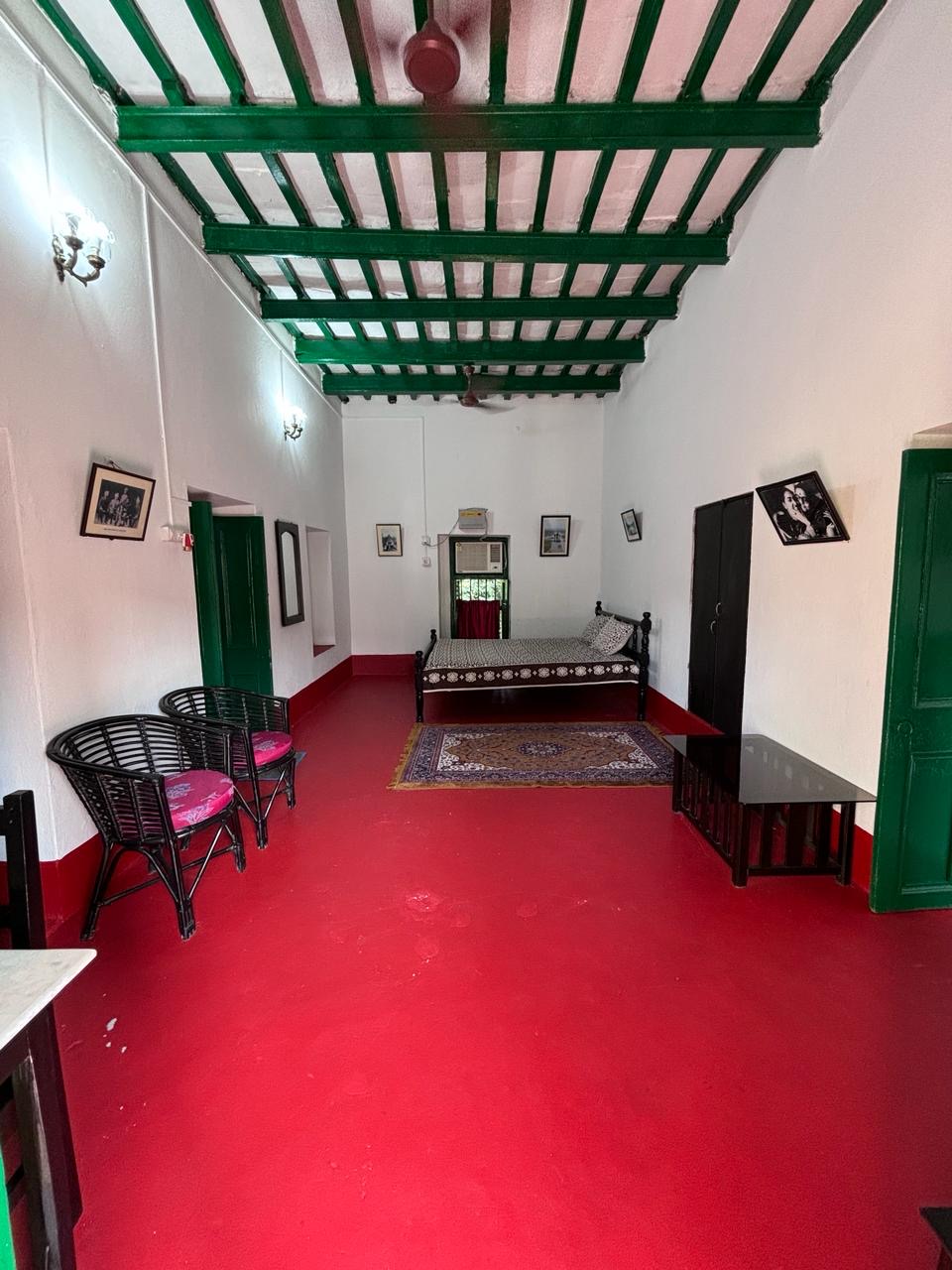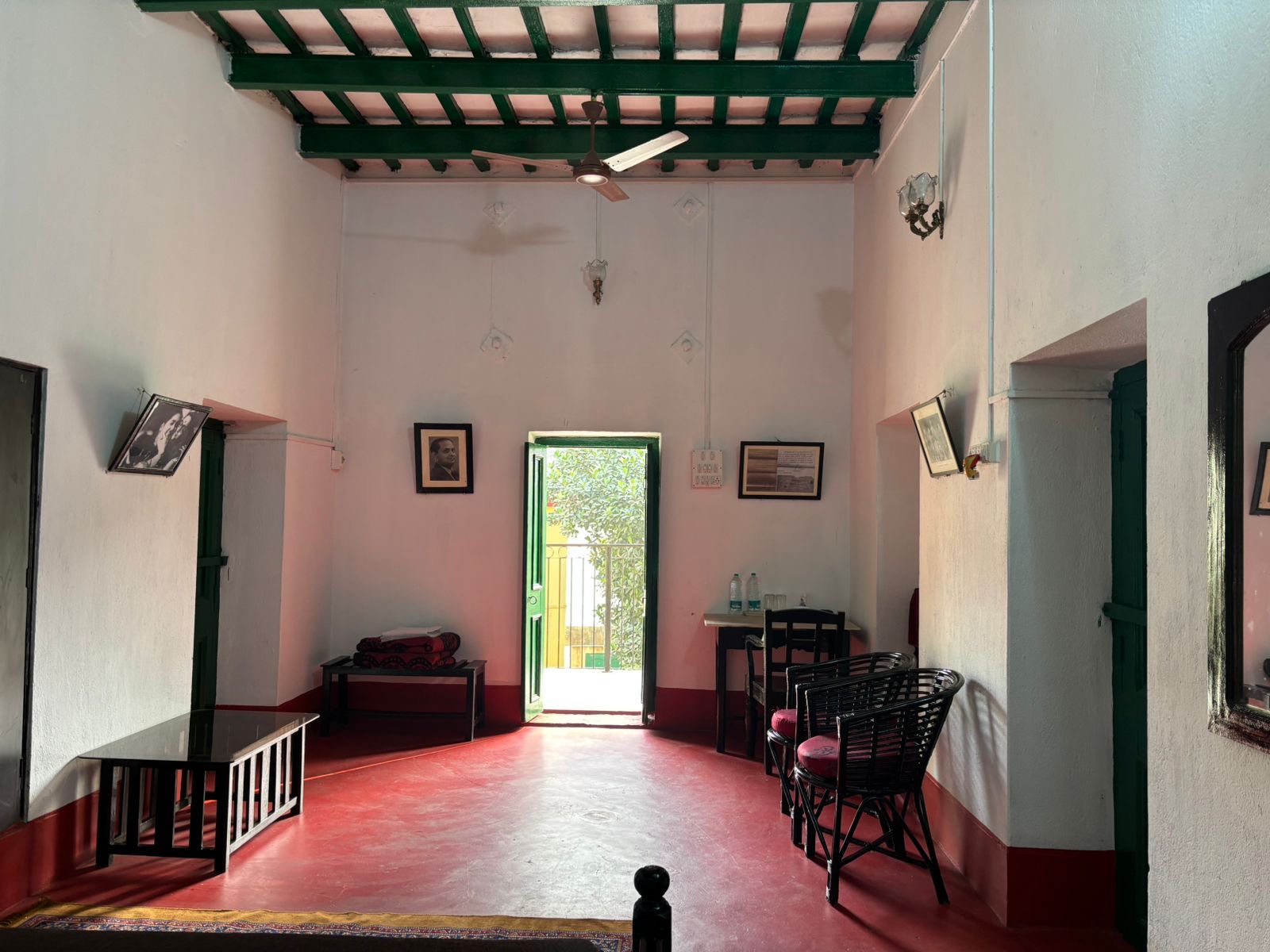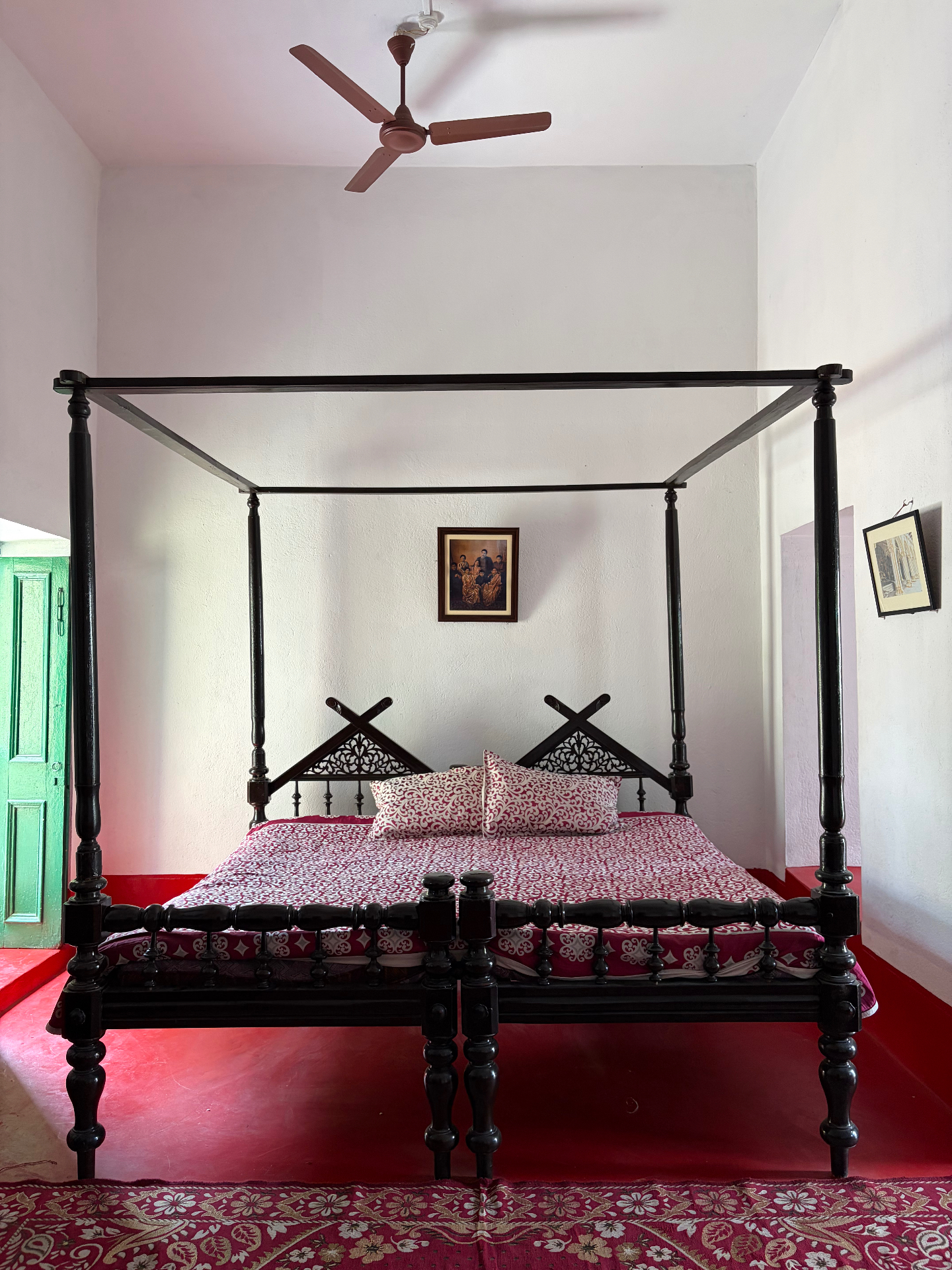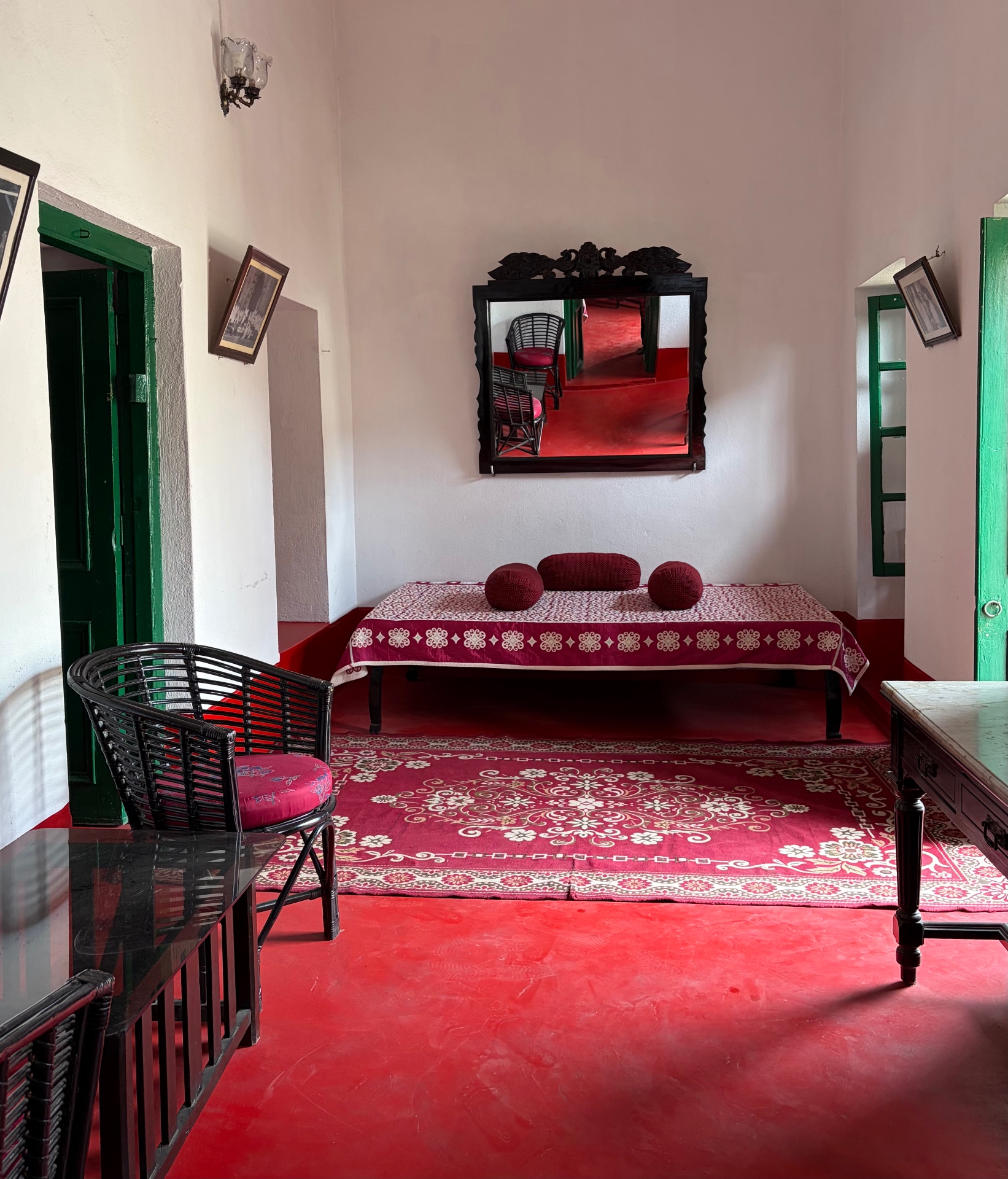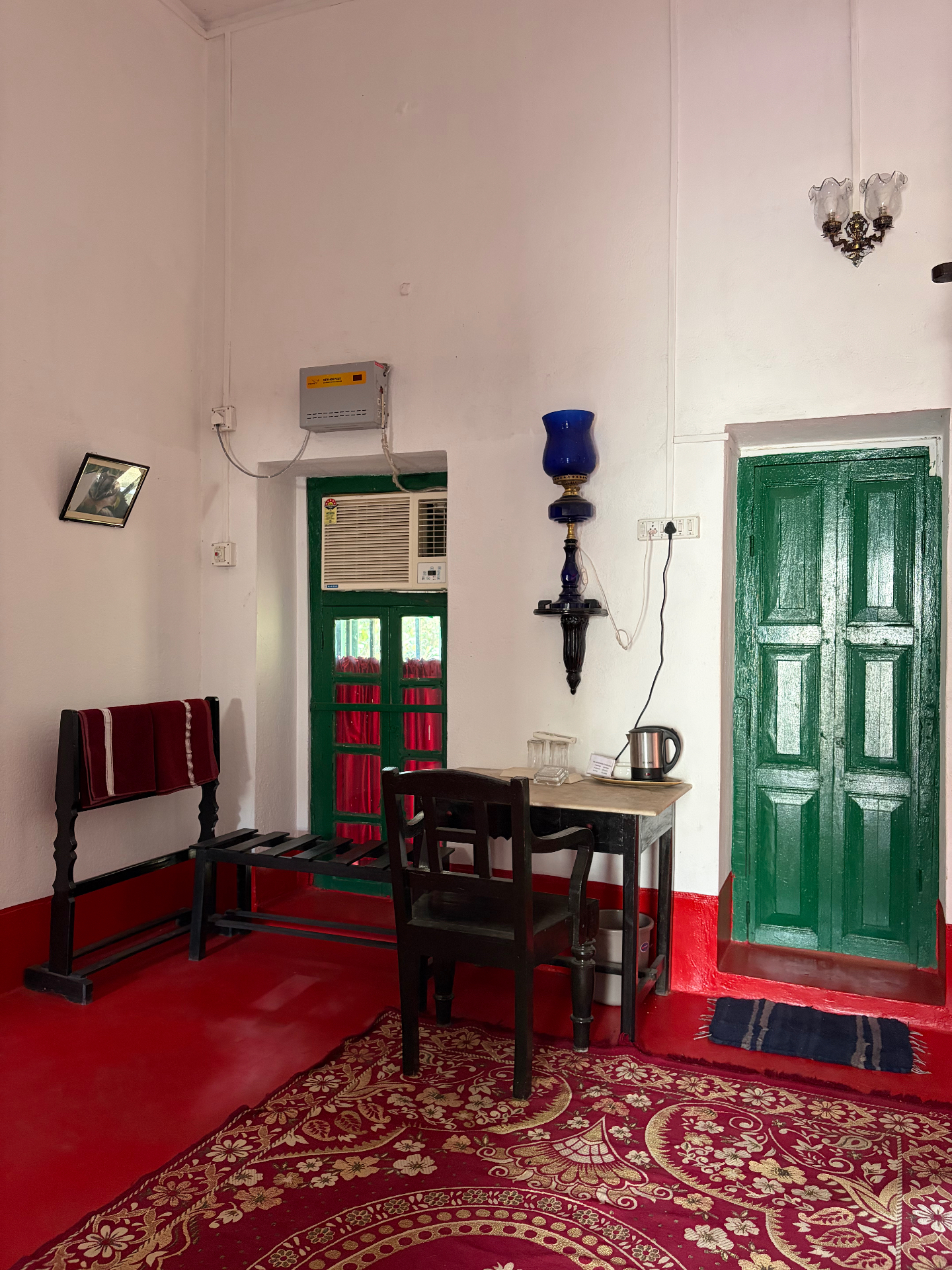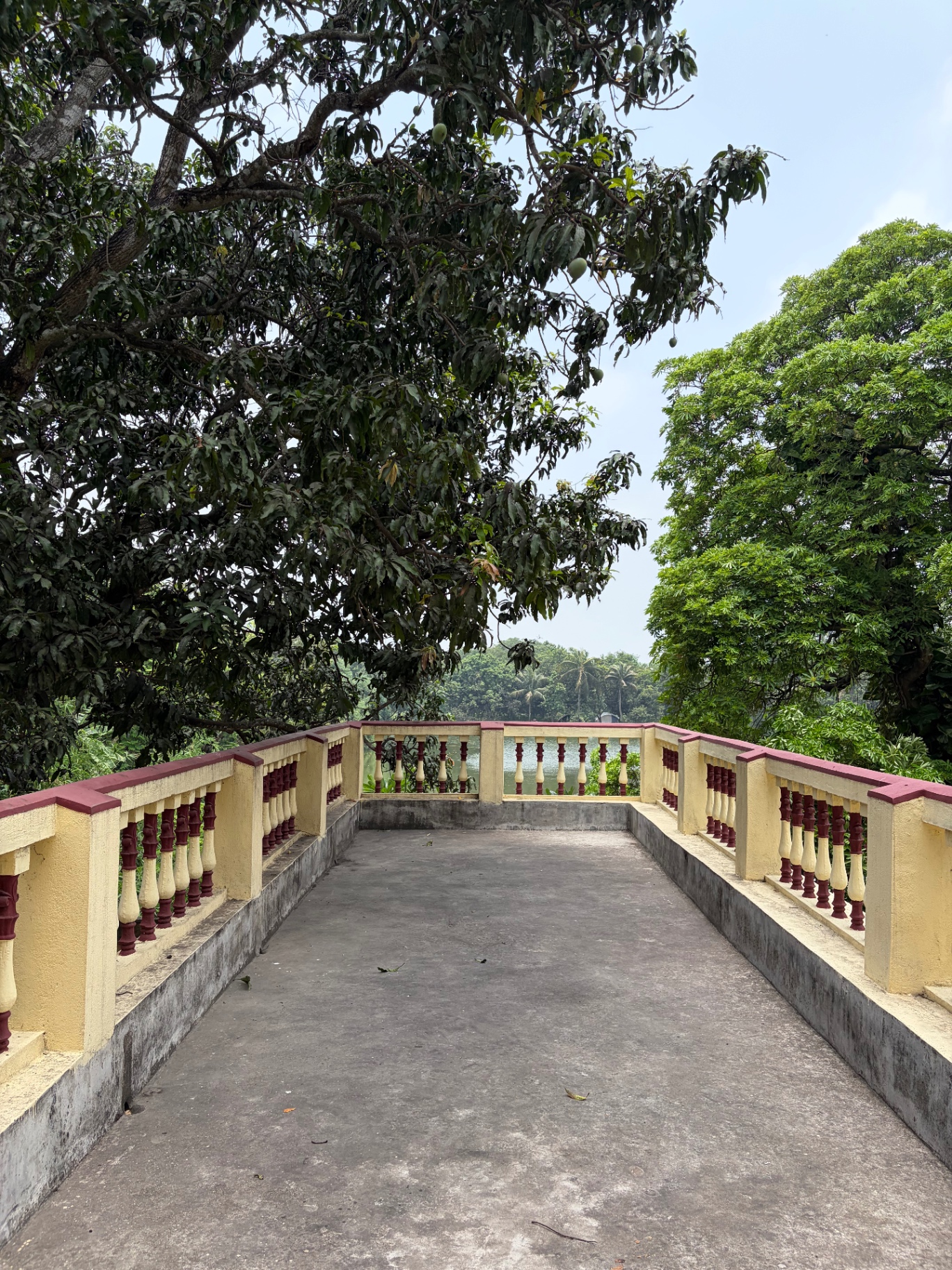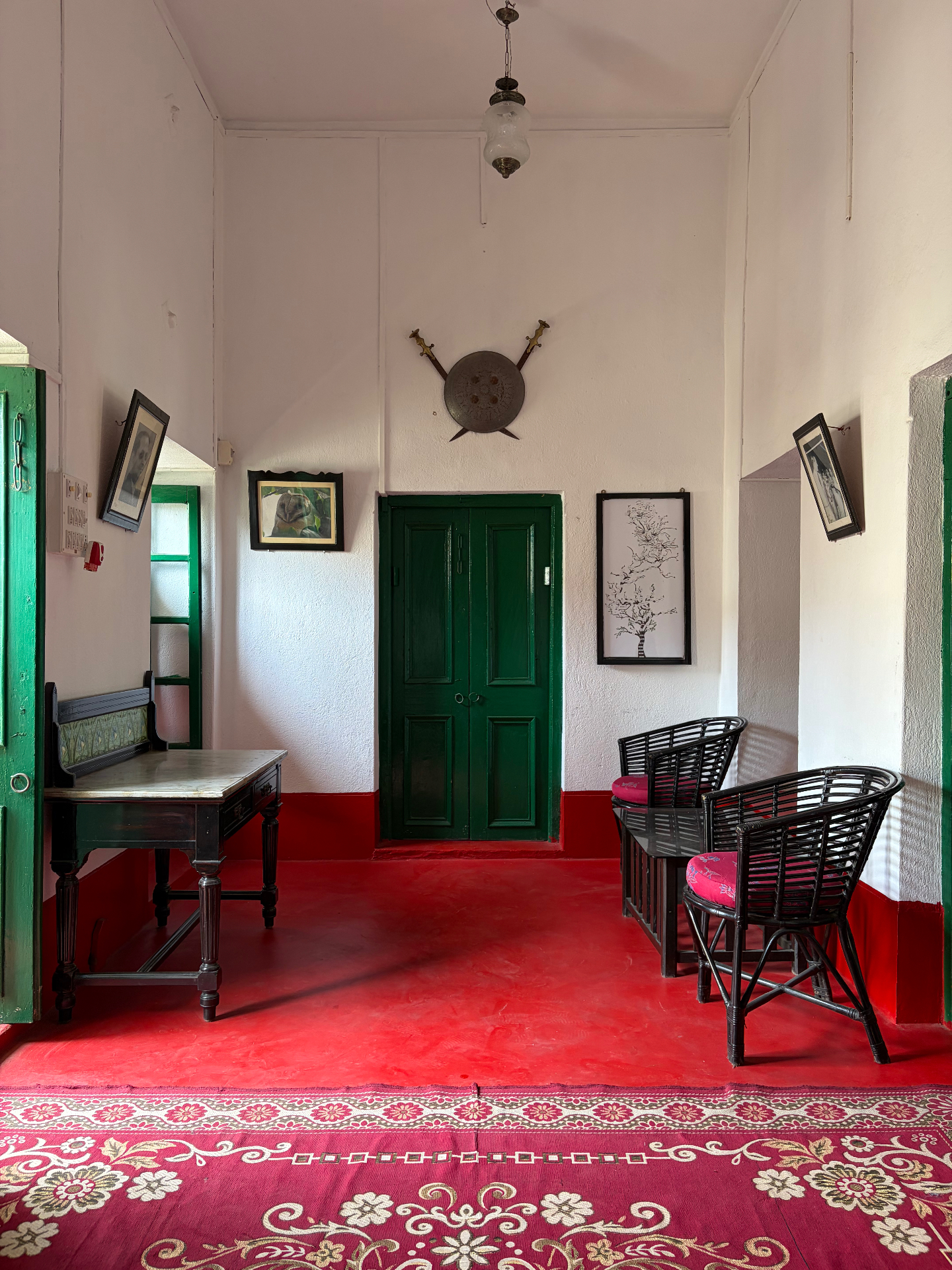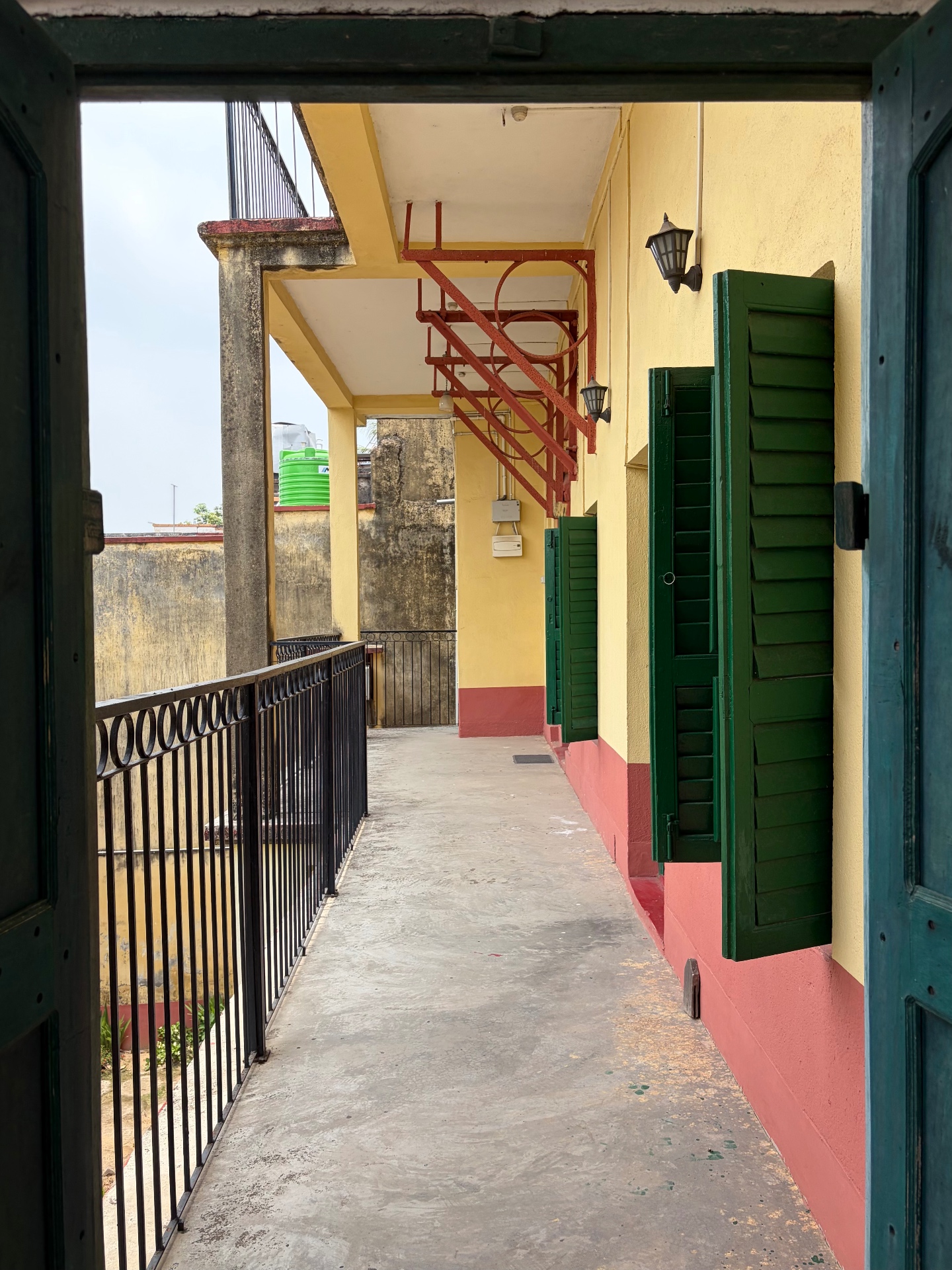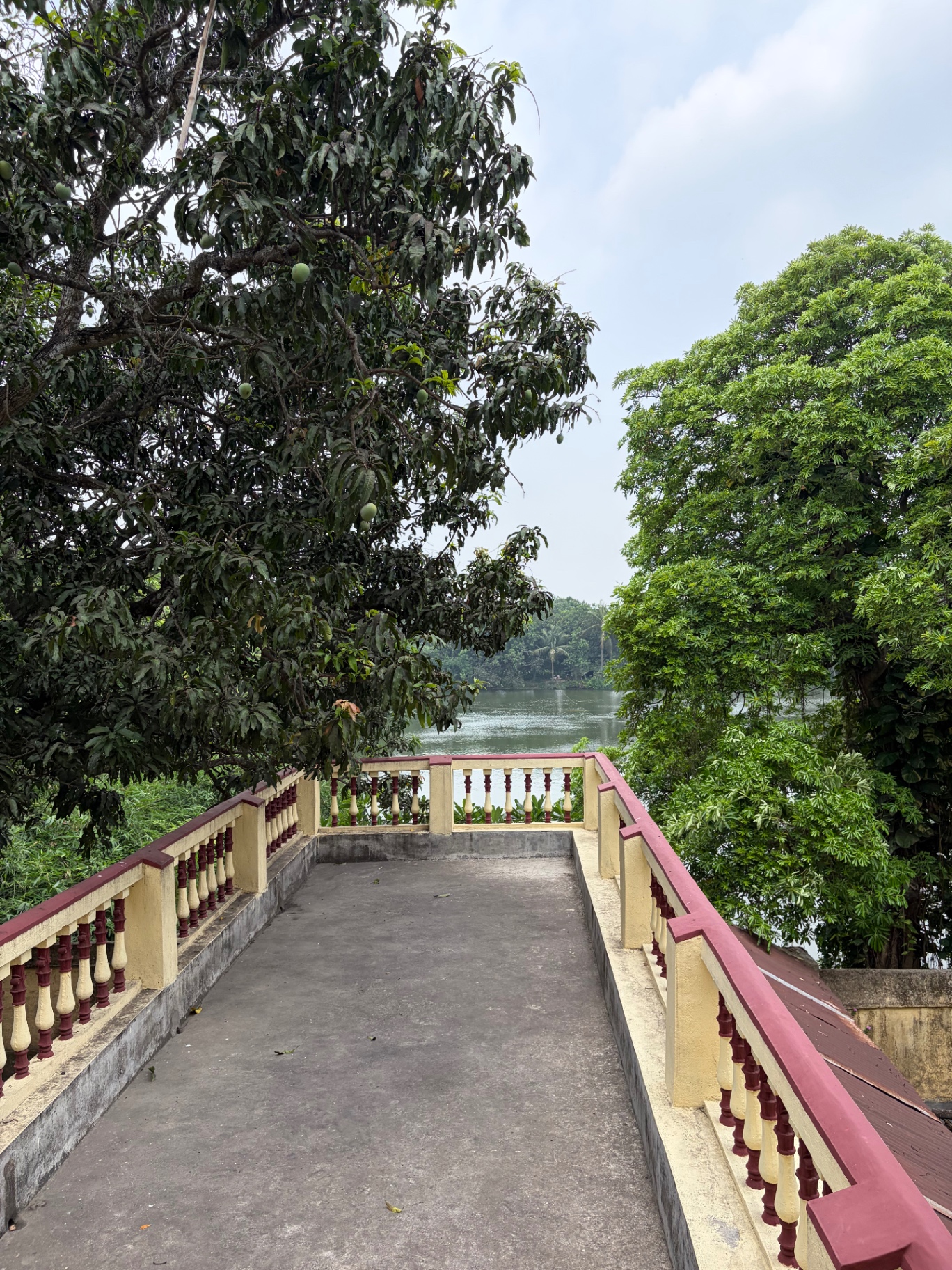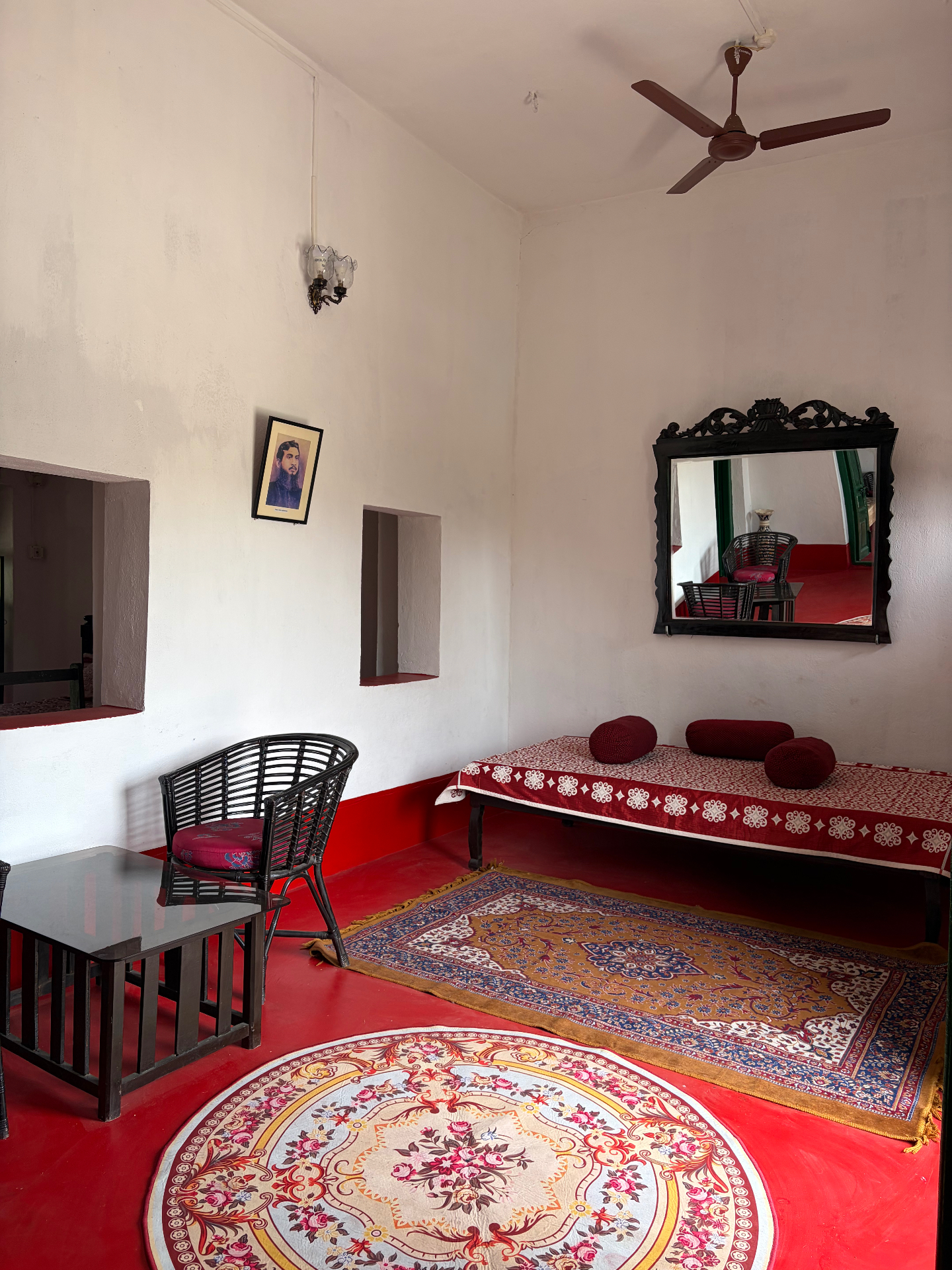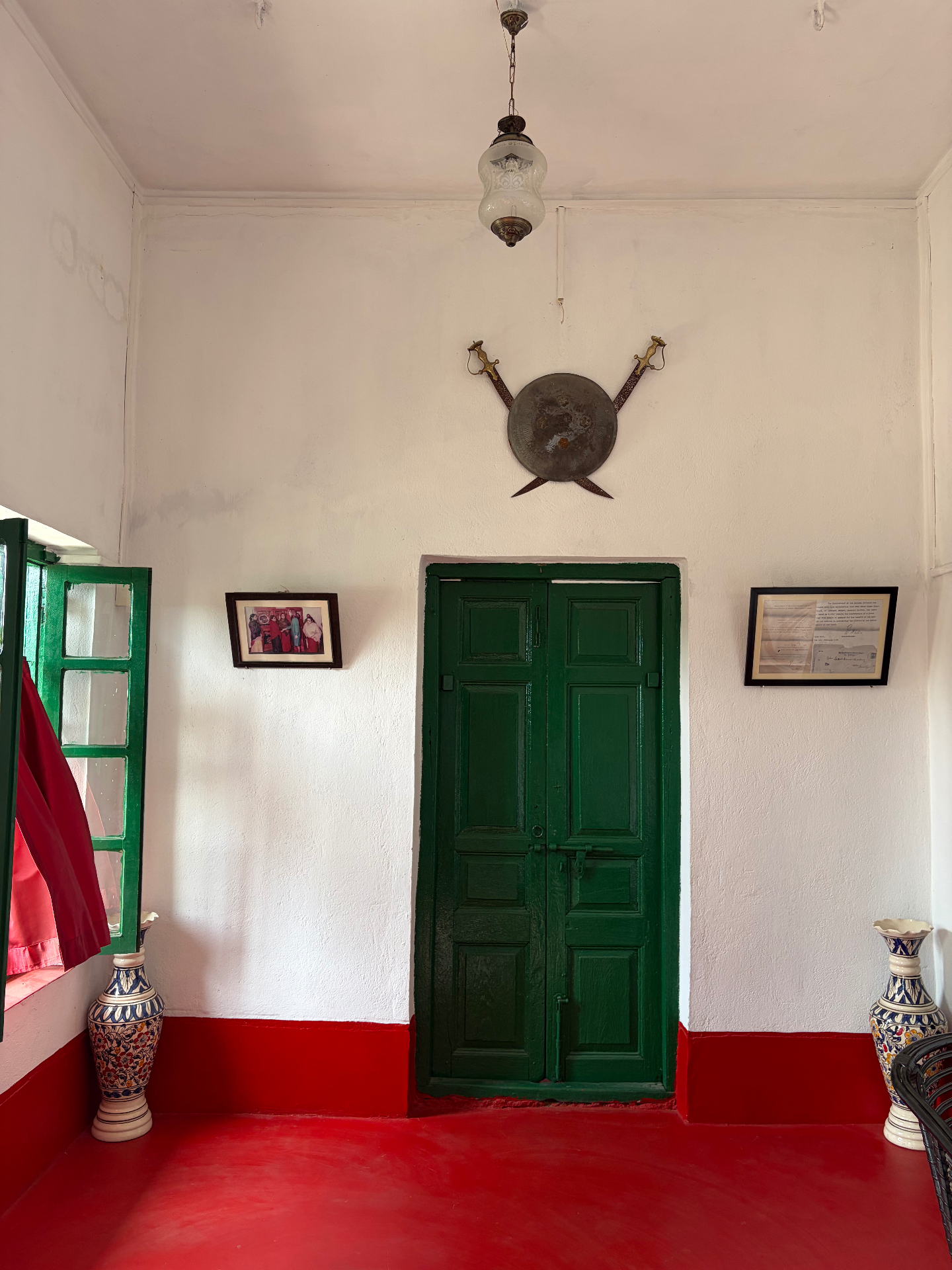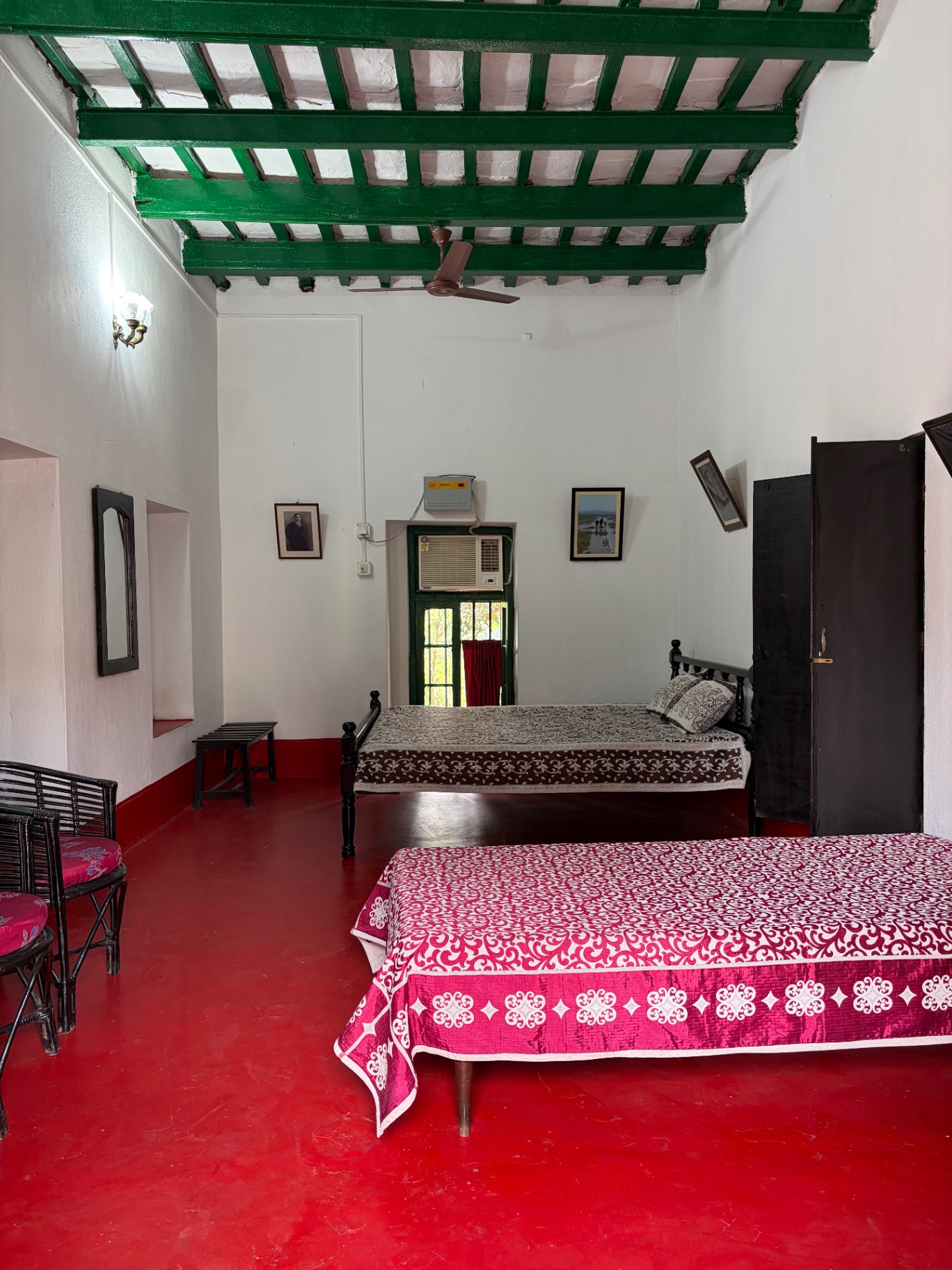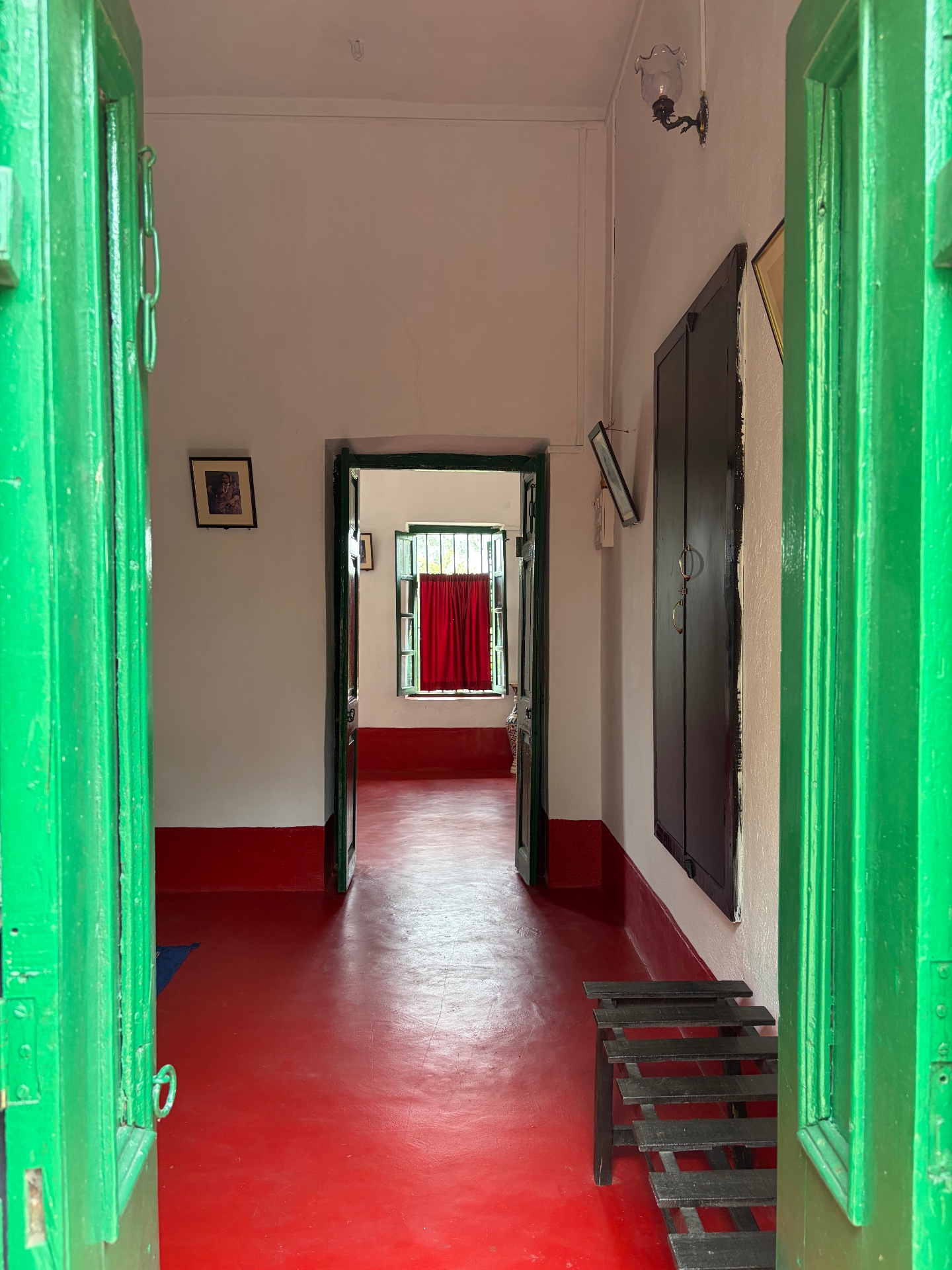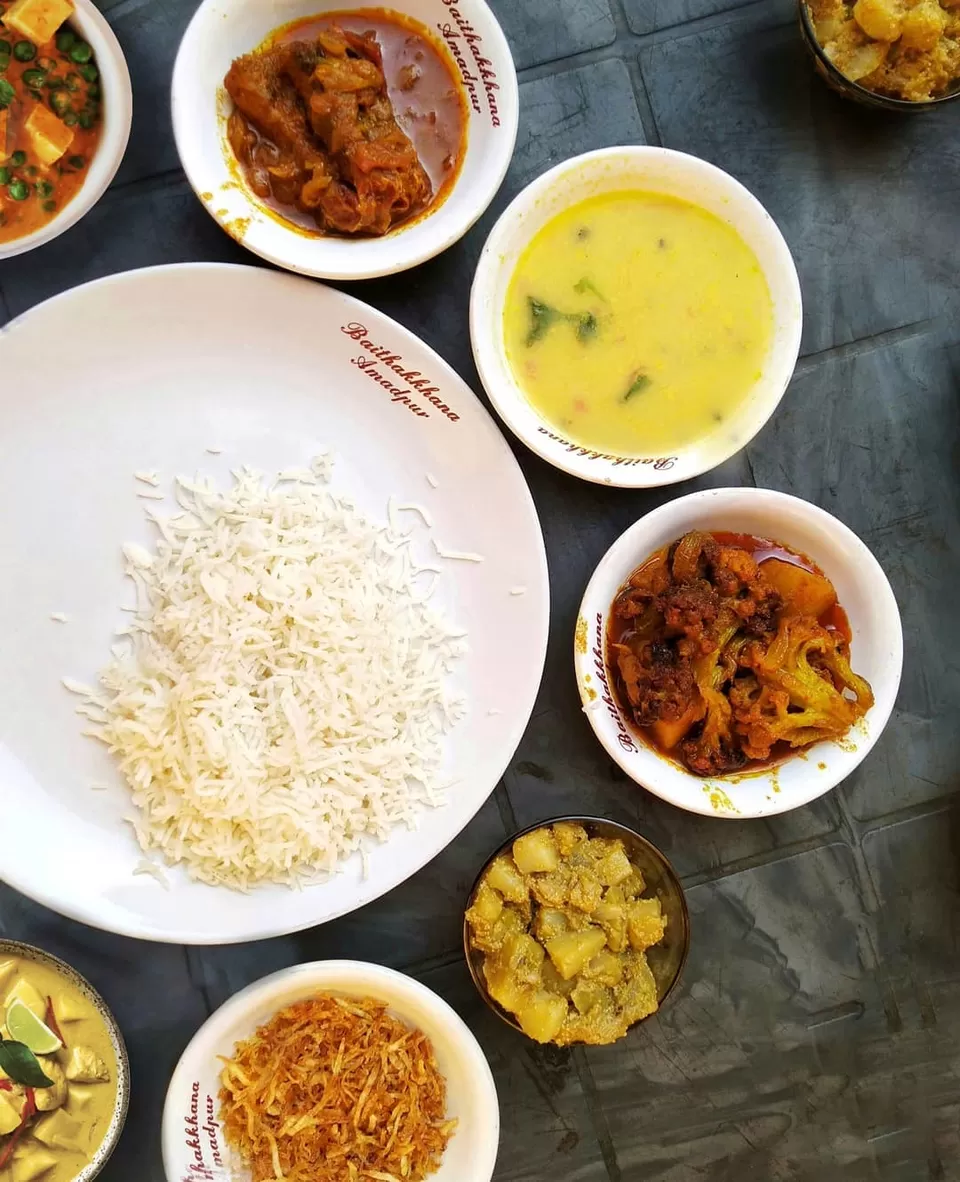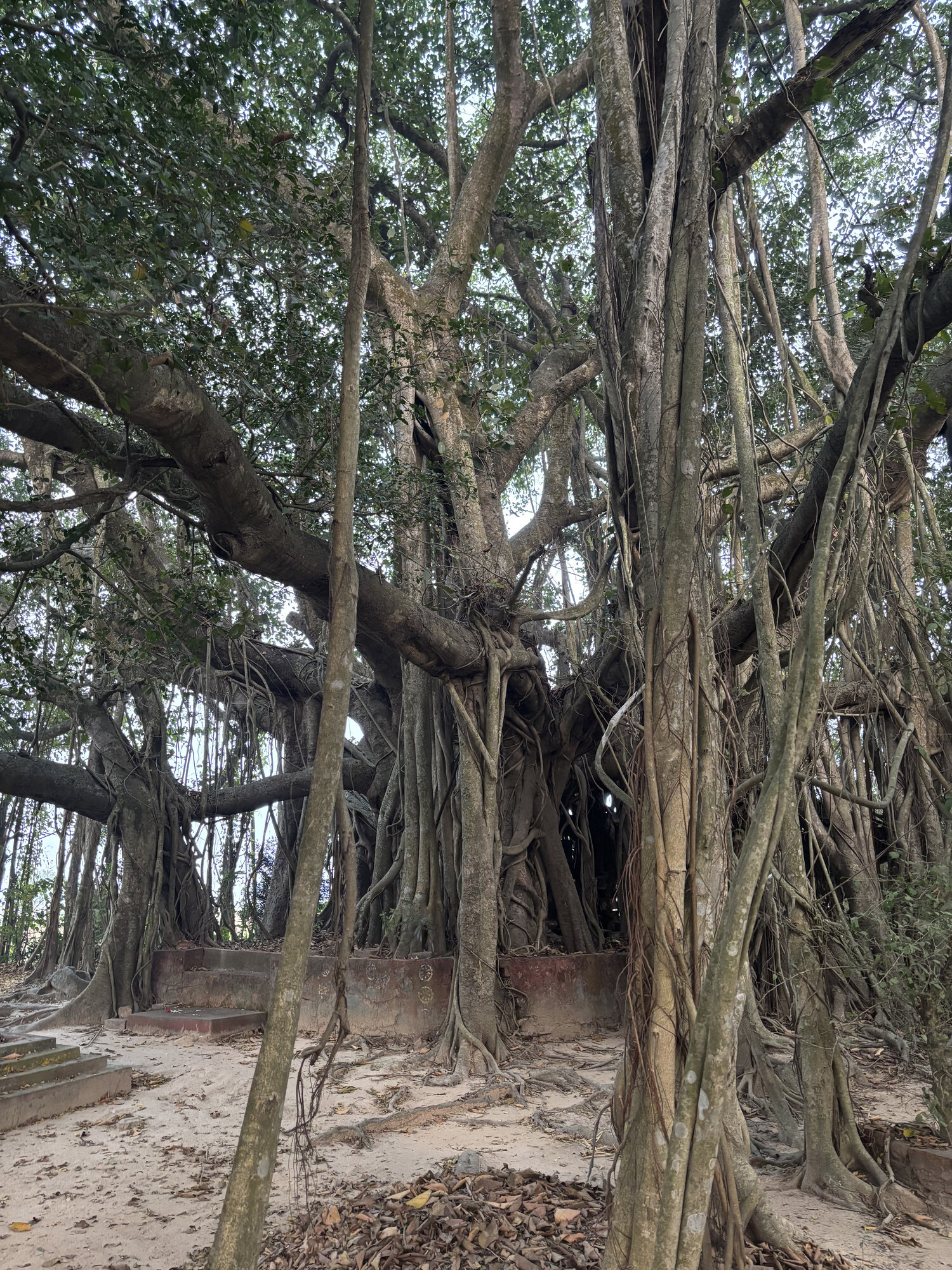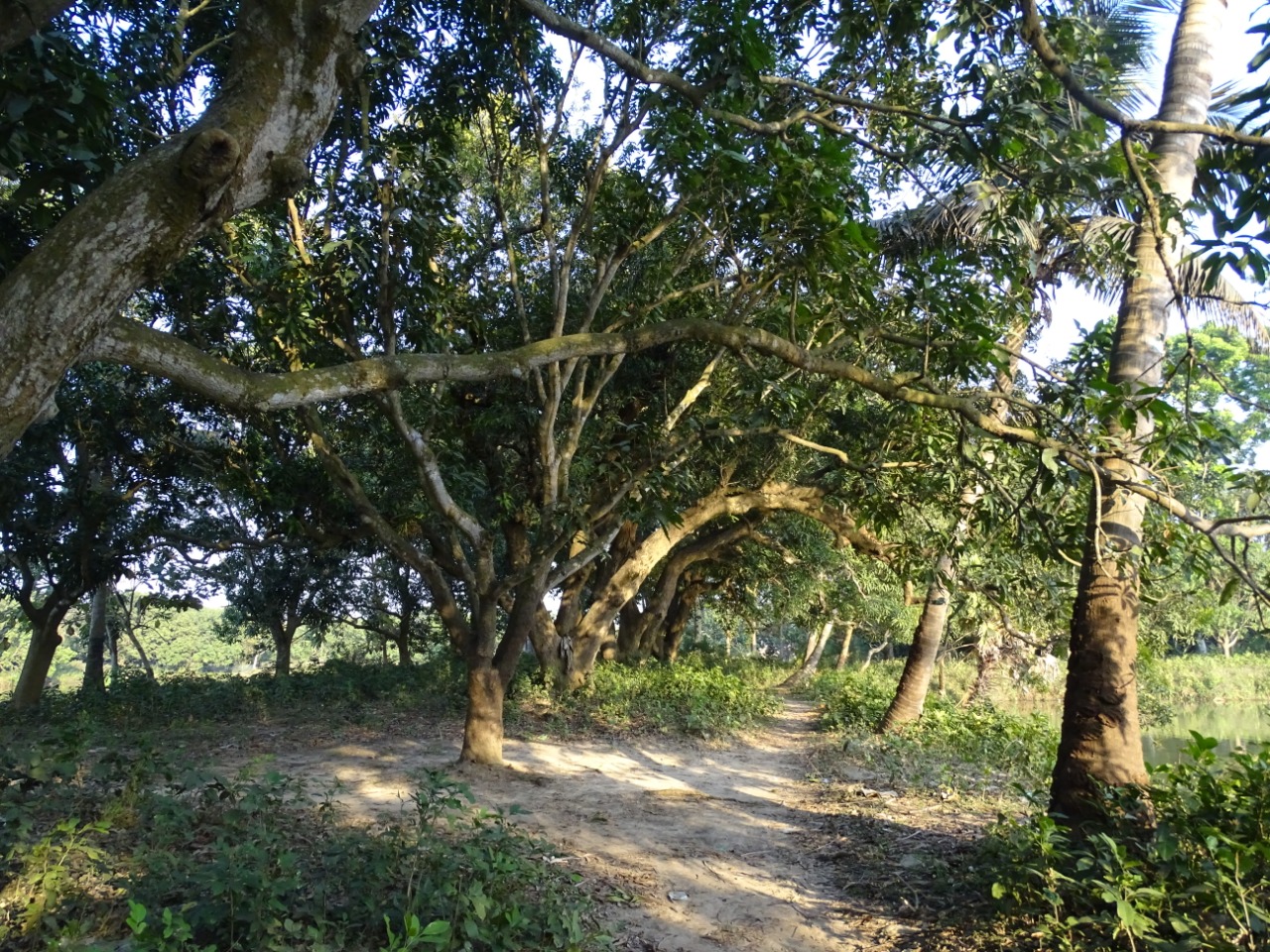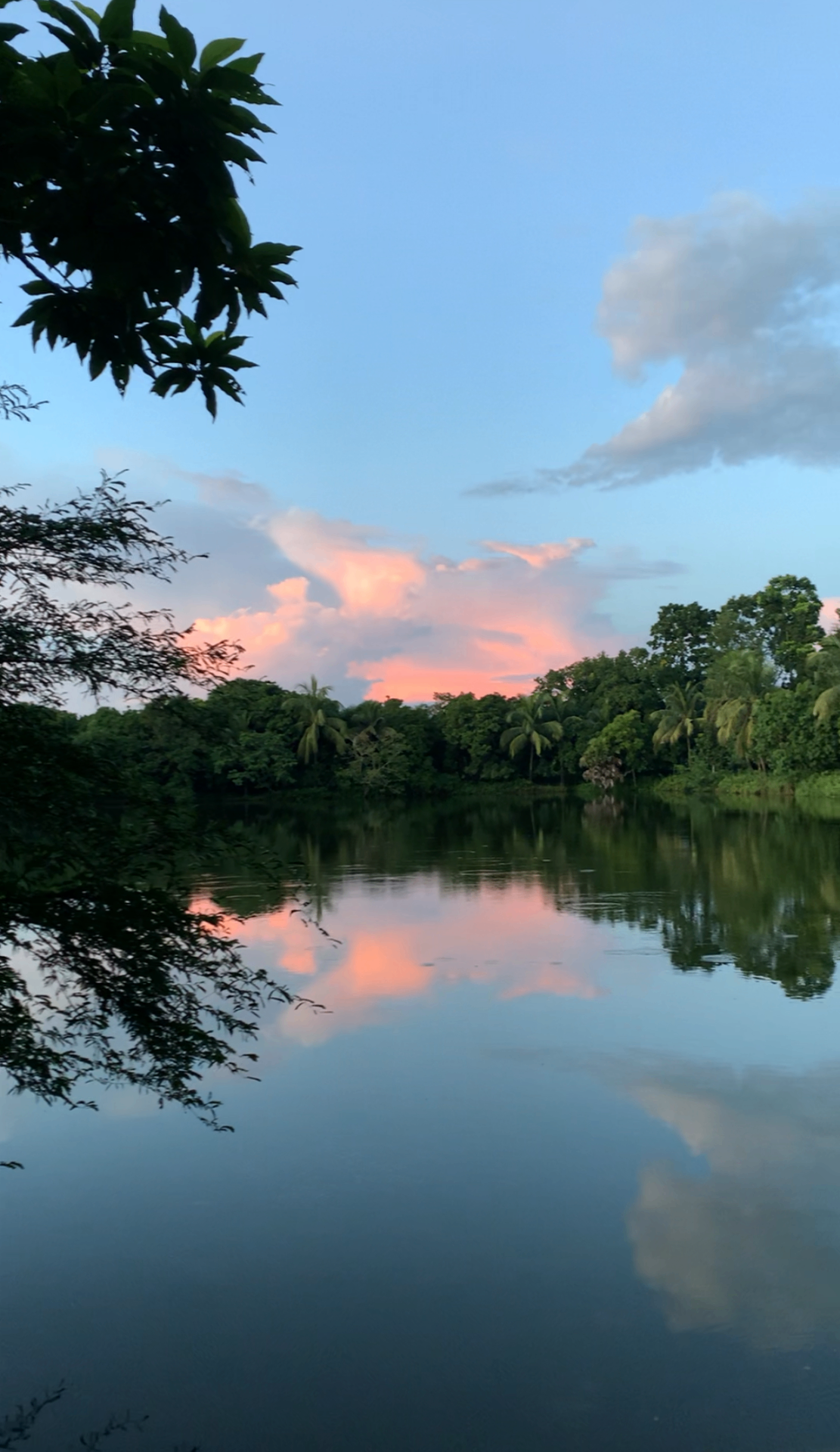
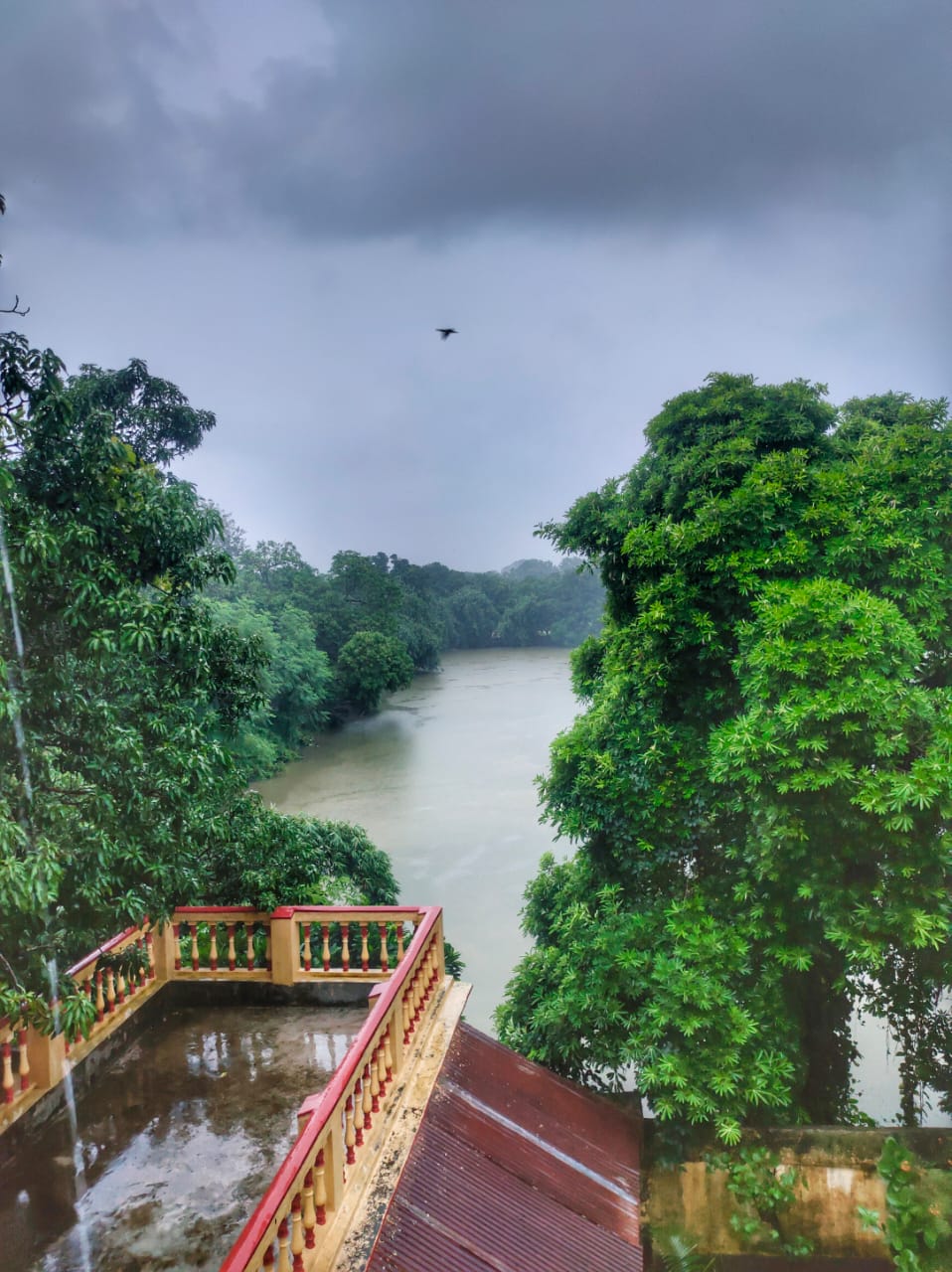
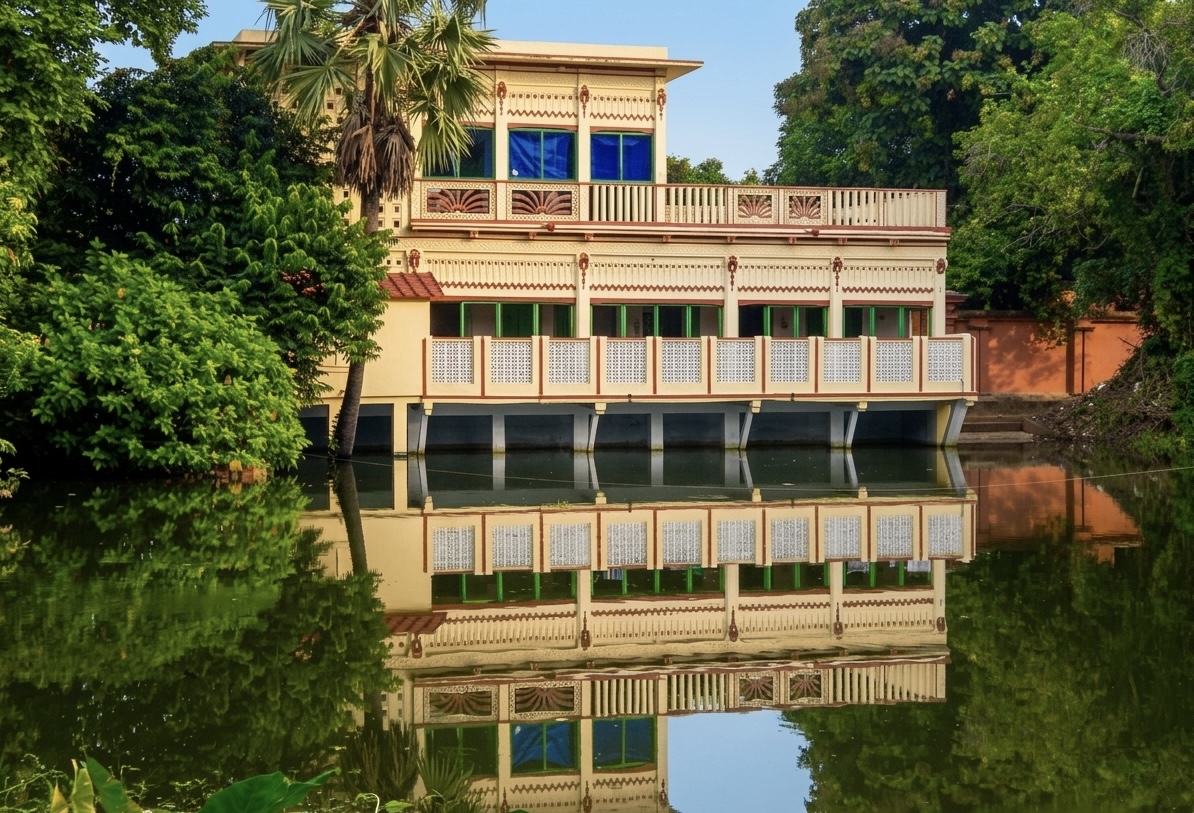
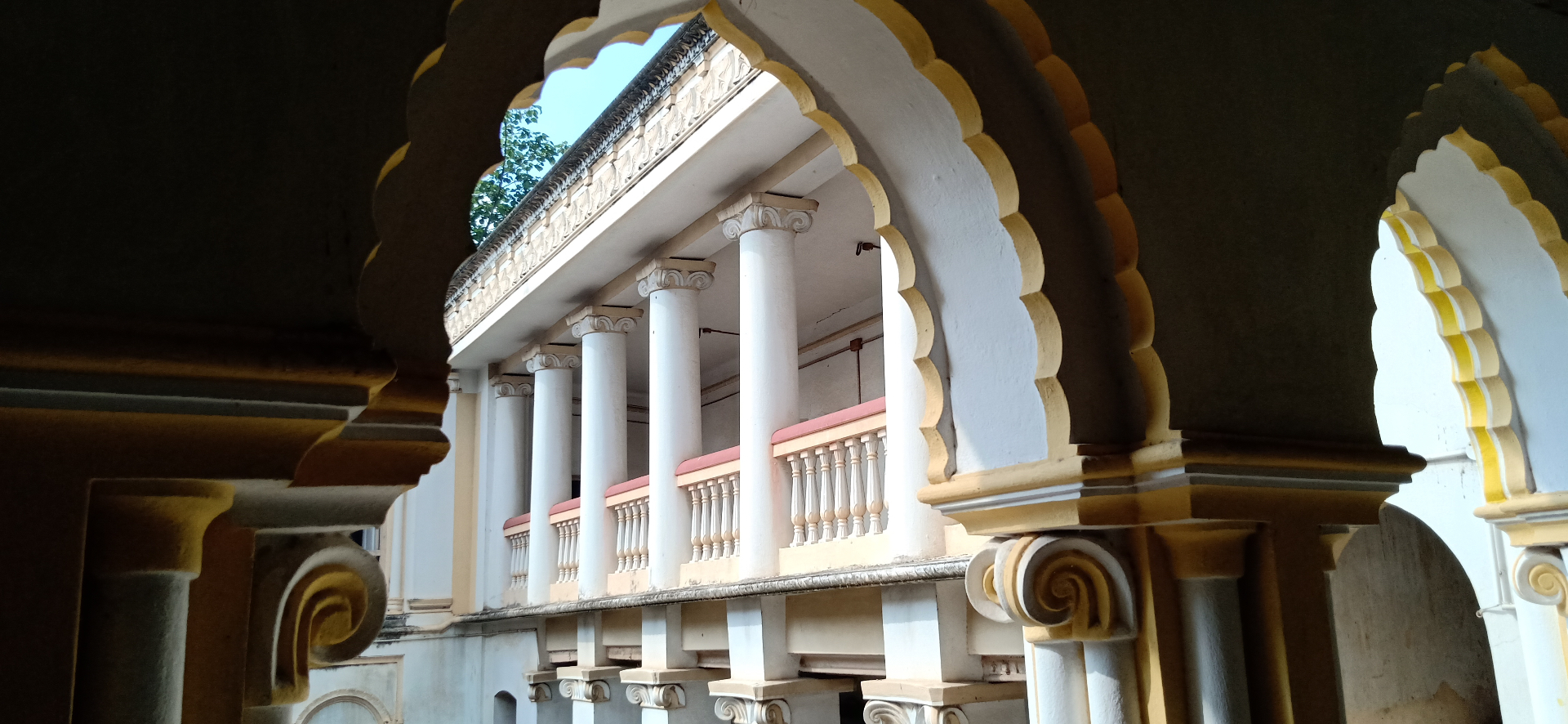
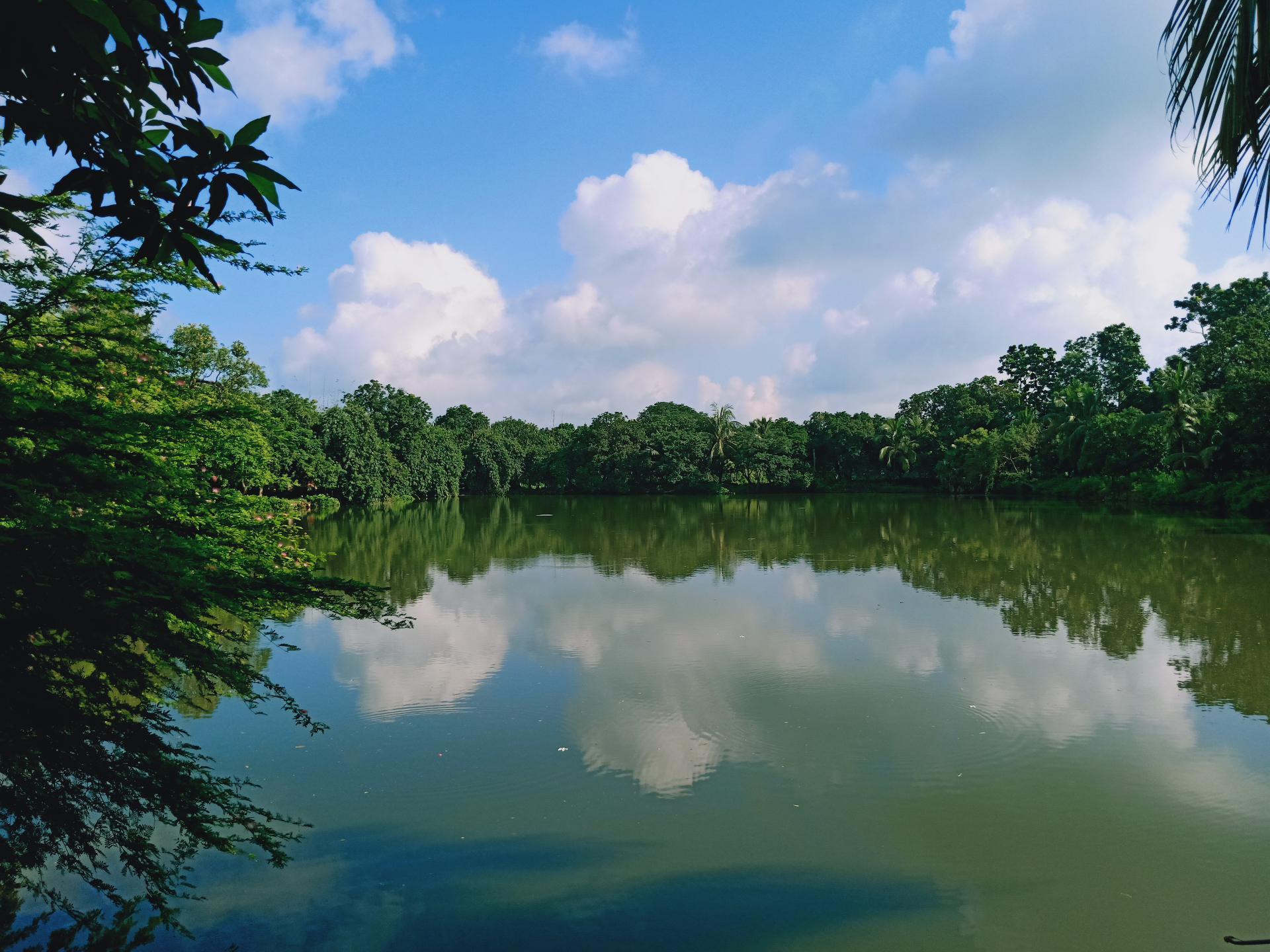
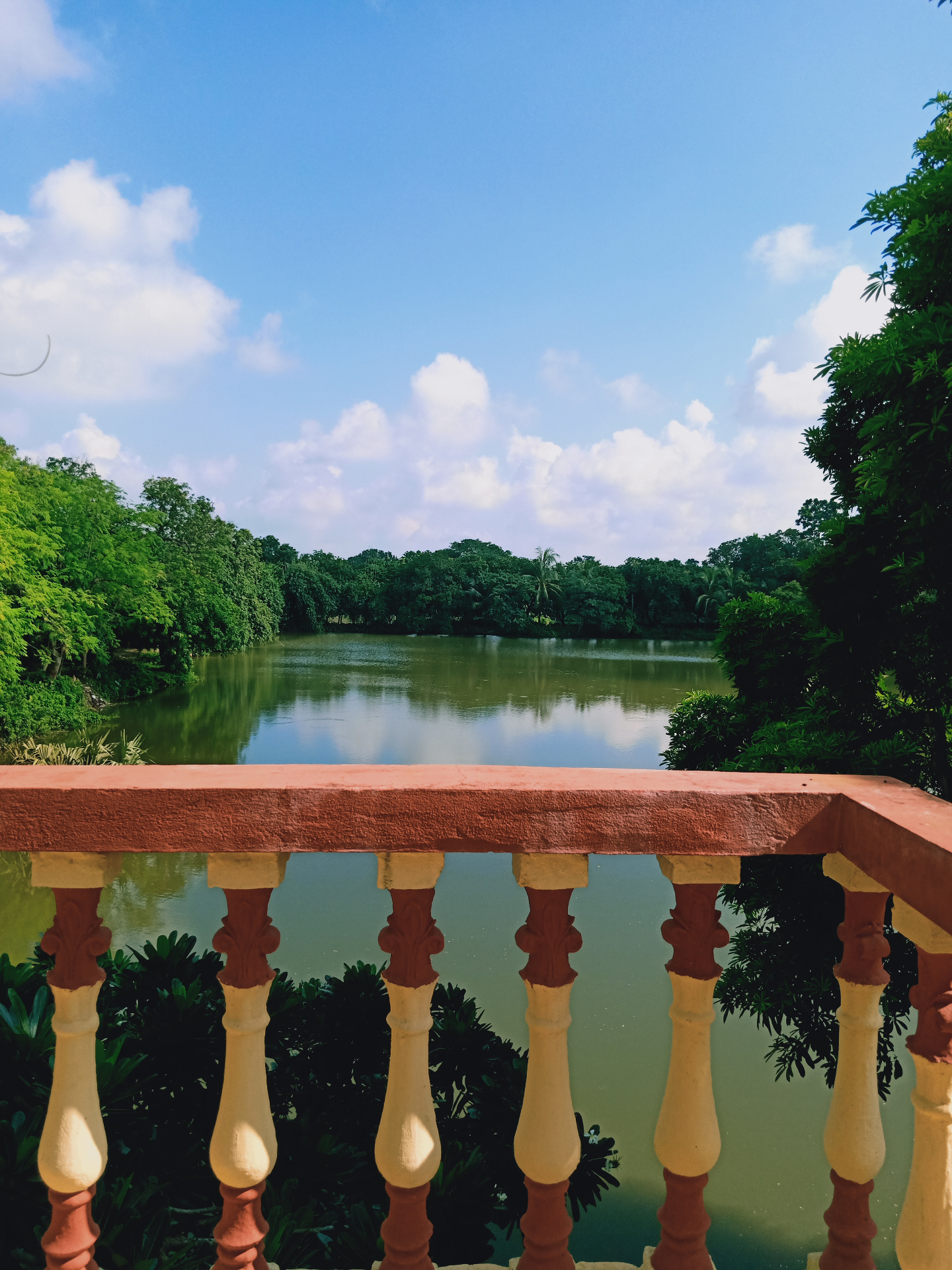
The Village of Amadpur, Railway station Memari, District Burdwan, is really not very different from any other in rural Bengal. Ponds both large and small, palms, both coconut and date, mango groves, paddy fields. Typical bucolic Bengal situated about 90 kms from Kolkata, it is now a convenient and smooth drive of about 1.30 to 1.45 hours from the metropolis, courtesy the Durgapur Expressway.
The Amadpur High School (School Bari as it is popularly known) was founded by a well known scion of the Chaudhuri family, Shri Mohes Chandra Chaudhuri, and dates back to the middle / late 19th century. It boasts of the distinction of having been inaugurated by scholar and social reformer Pandit Ishwar Chandra Vidyasagar, a close friend of the founder.
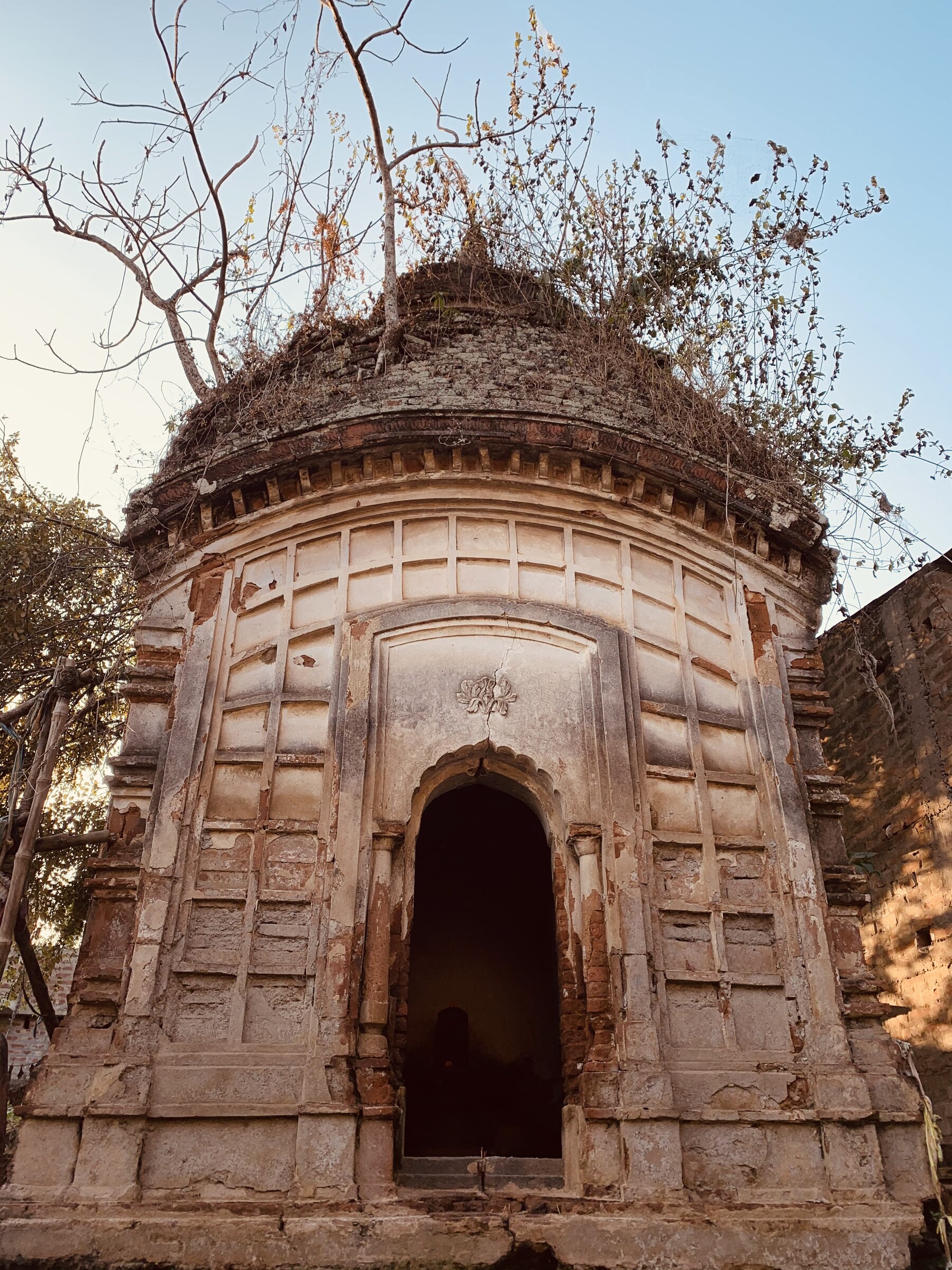
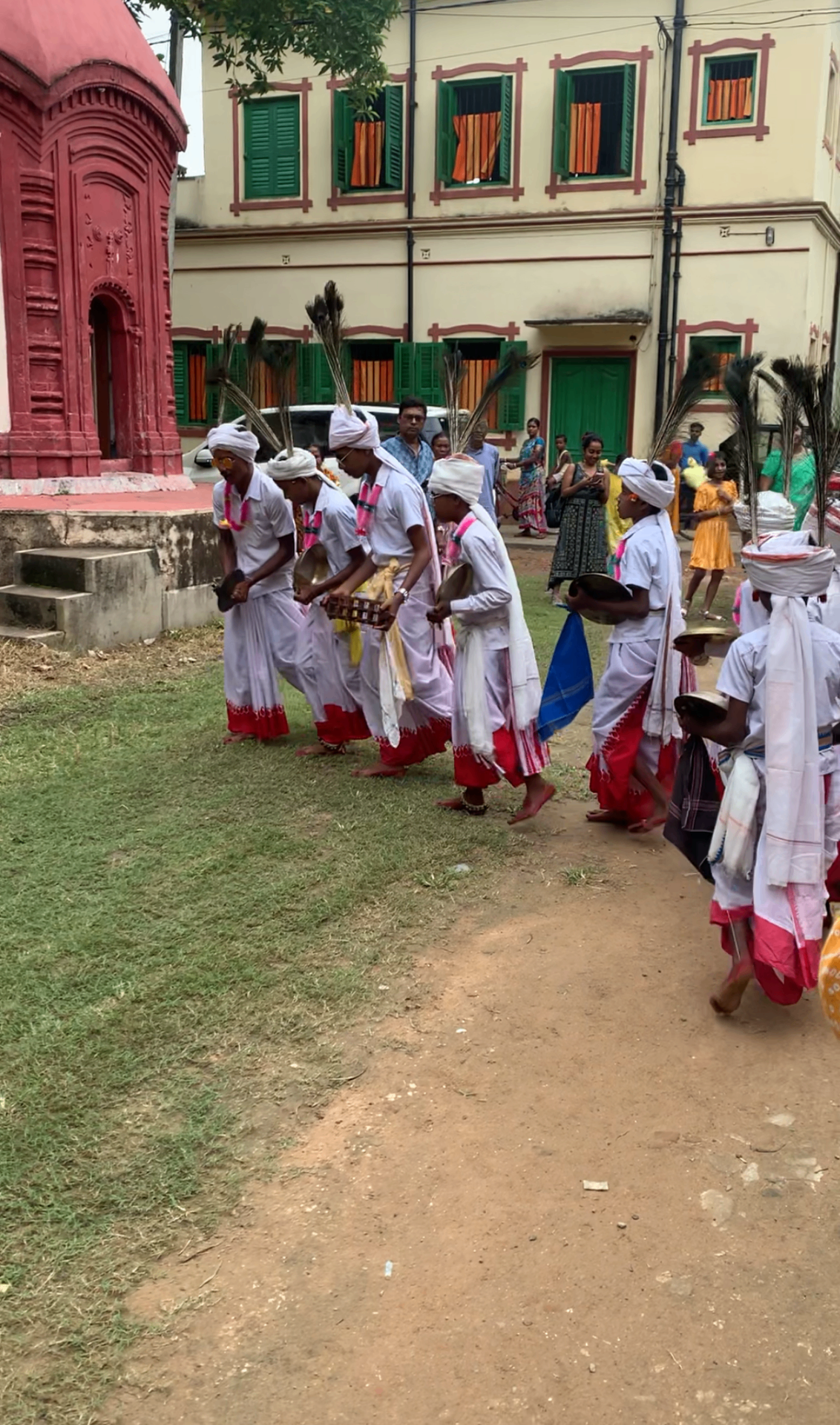
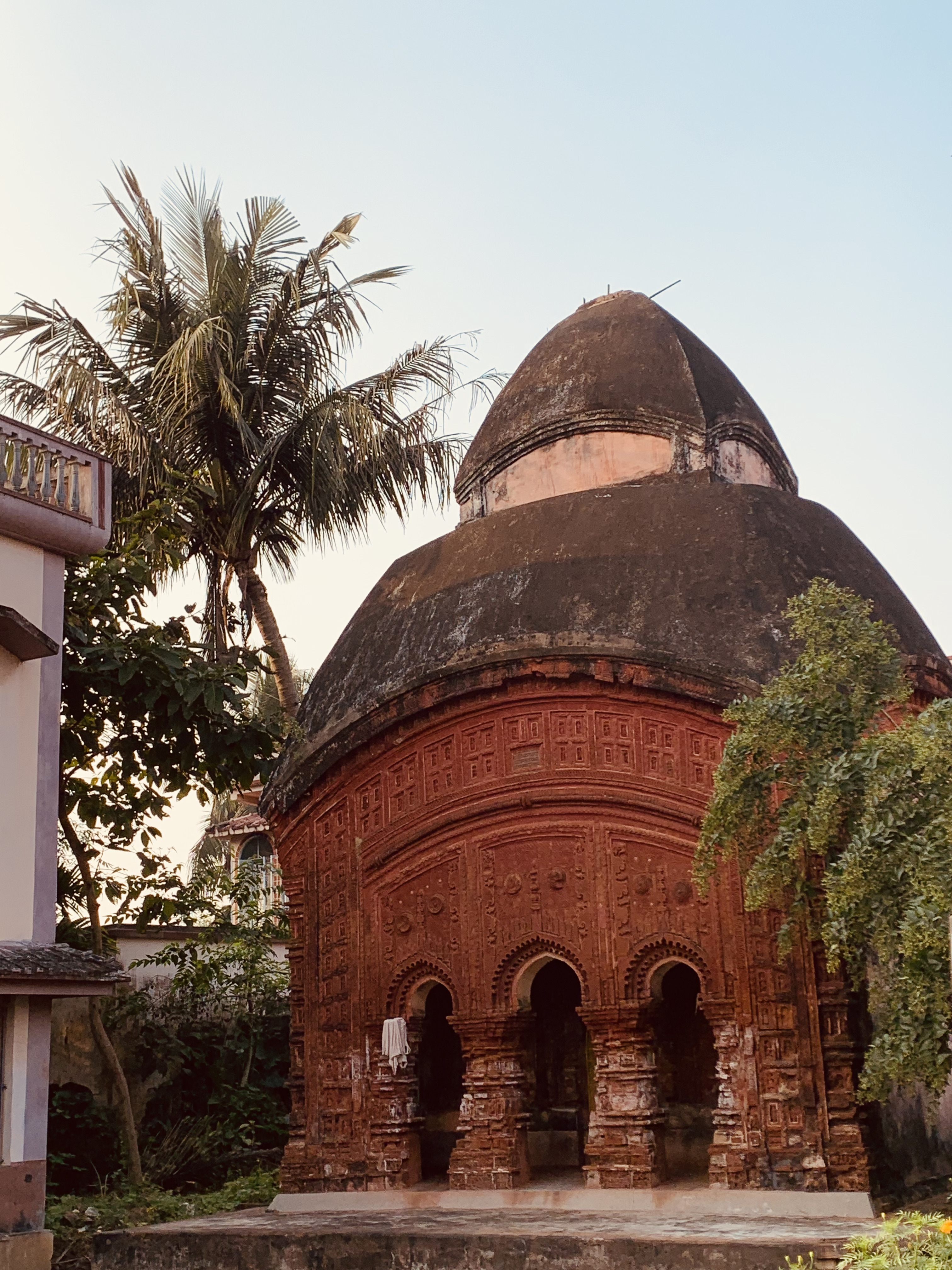
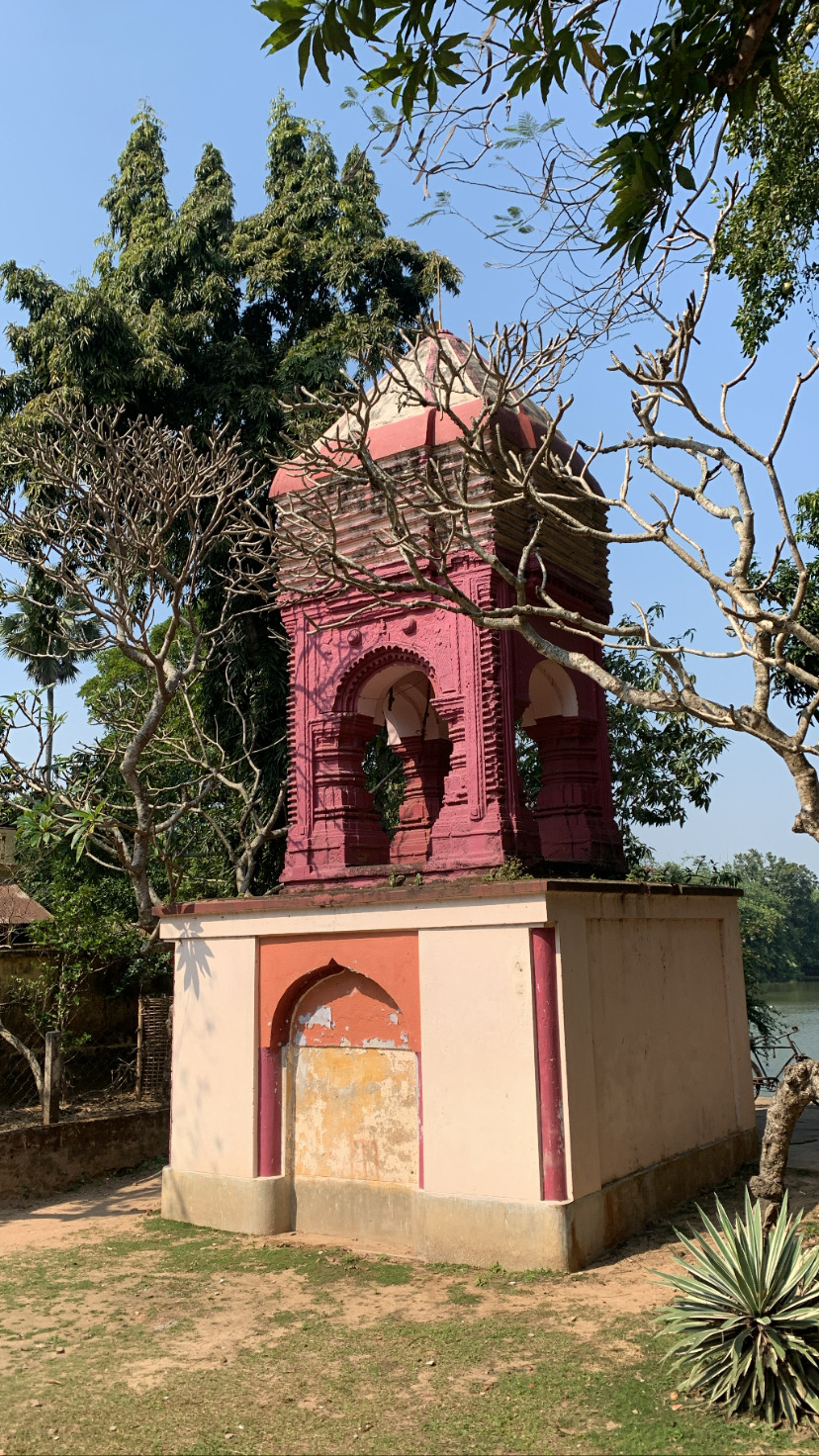
One passes clumps of waving bamboo and hoary terracotta temples dreaming of bygone days over the placid waters of the ponds. Then, bang ahead, is the living temple of Radha Madhavji, the presiding and residing deity of the village. Turn right and you are in Babu der Para, the abode of the Chaudhuris, erstwhile Babus and Zamindars of Amadpur and the neighbouring few hundred villages.
The Chaudhuris or Sen Sharmas originally belonged to Trihotto village of royal Bengal.
The phylogenetic line can be traced as far back as Shri Sribatsa Sen Sharma (late 11th or early 12th century), grandfather of Shri Dhoyi Sen Sharma, one of the court poets of Raja Laxman Sen of the Gour Dynasty. Dhoyi Sen was famous for his poem Pawan Doota, for which he was honoured with the titles Kavikshmapati, Chakravarti and Pandit Ratna.
Shri Krishna Ram Sen Sharma was held in very high esteem by the Nawab of Murshidabad and was granted several Zamindaries in Burdwan and Murshidabad districts. His two sons were given the khetabs of Chaudhuri and Majumdar respectively, names the family carries to this day.